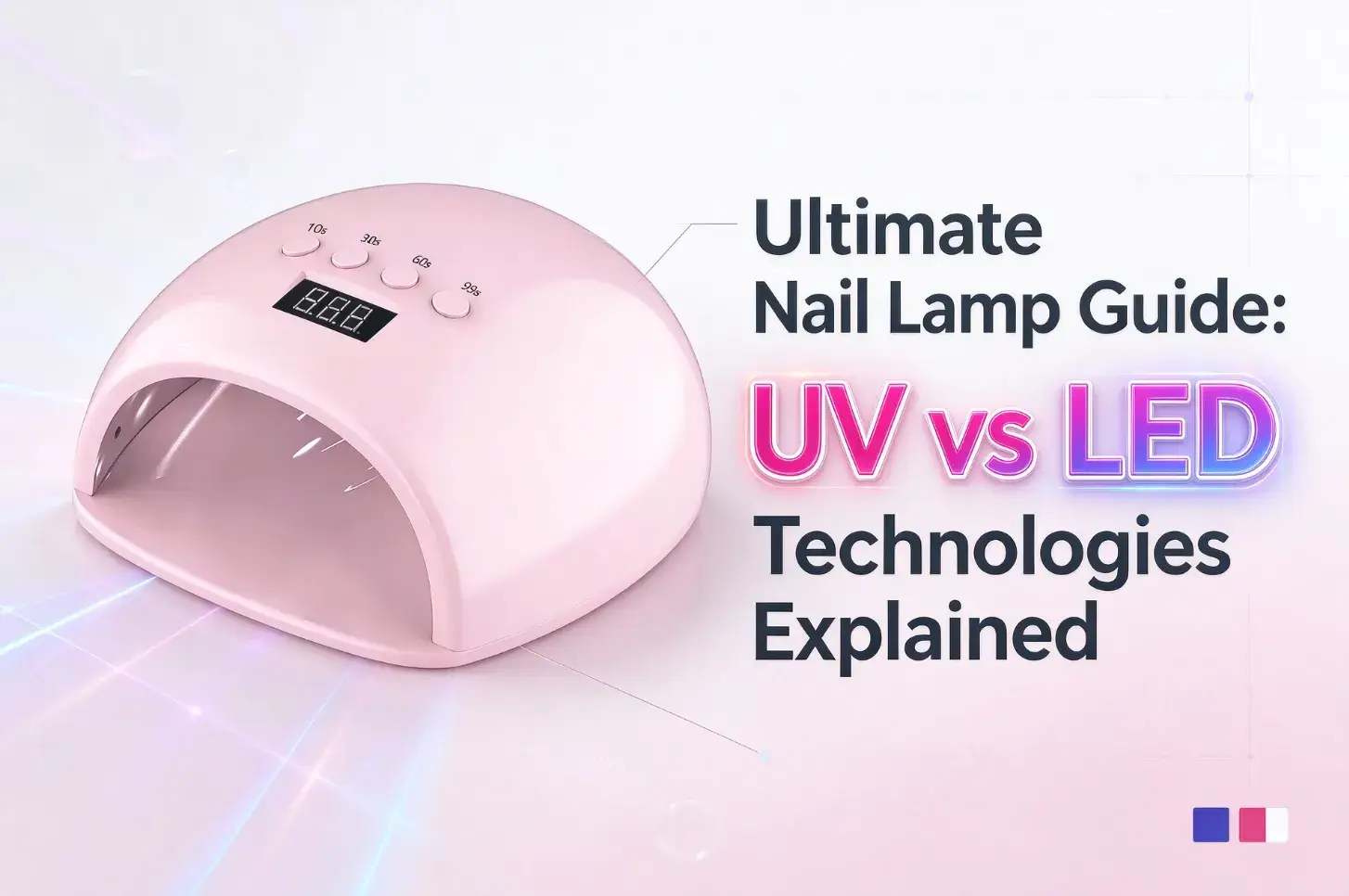
Ultimate Nail Lamp Guide: UV vs LED Technologies Explained
The beauty equipment industry continuously evolves. A reliable nail lamp stands as the most critical tool for modern manicures. Salon owners and equipment distributors must understand the underlying technology to make informed purchasing decisions. This guide explores the core mechanisms and variations of these essential devices.
What Is a Nail Lamp?
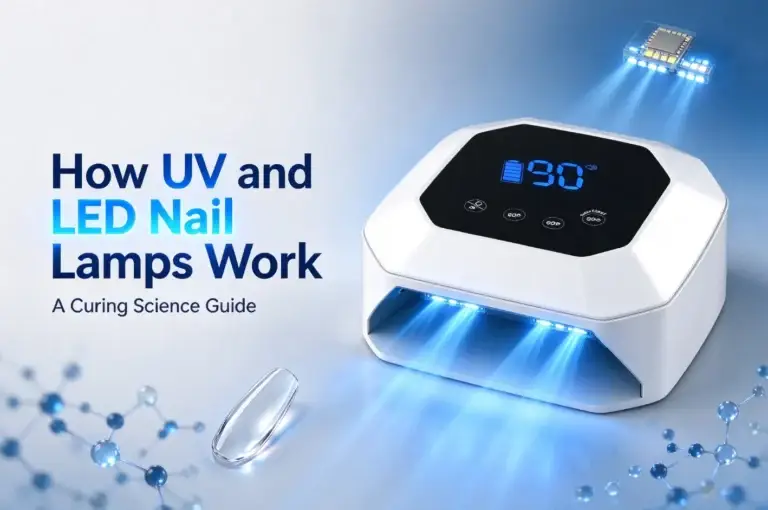
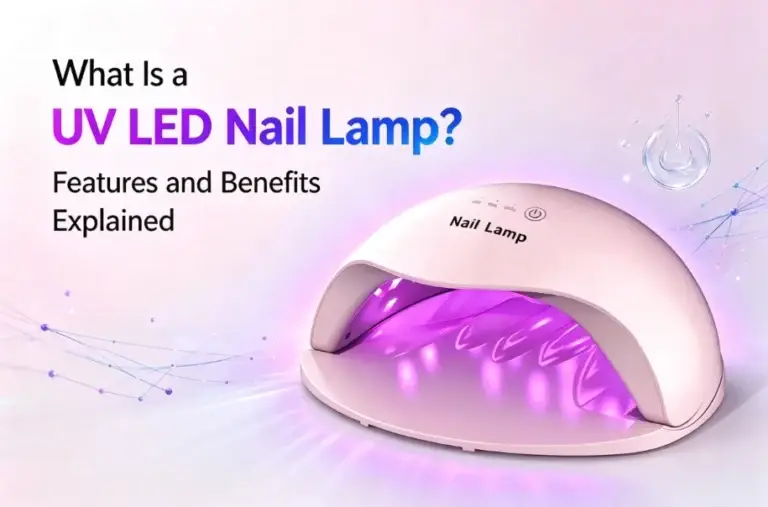
A nail lamp is a specialized curing device. It emits specific light wavelengths to harden gel-based nail products. Unlike traditional nail polish that air-dries through evaporation, a gel nail lamp uses targeted light energy to transform liquid formulas into a durable, solid coating.
How Does a Gel Nail Lamp Work?
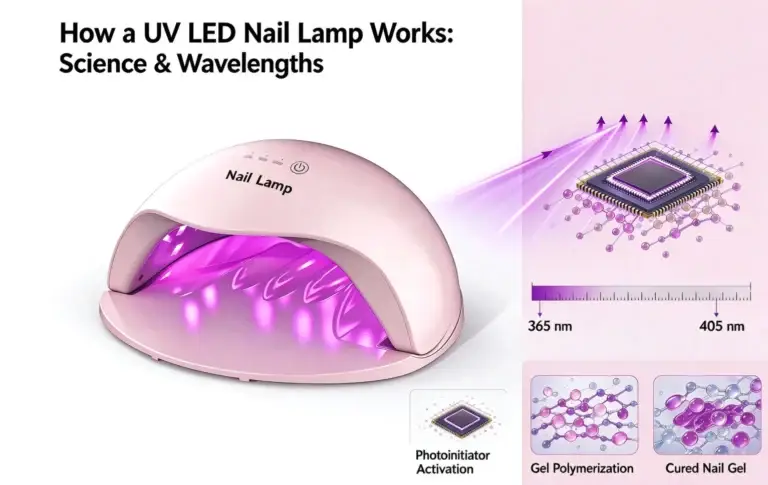
The secret lies in chemistry. Gel nail products contain microscopic molecules called photoinitiators. When you turn on the machine, the light hits these photoinitiators. They absorb the energy and instantly trigger a chemical reaction called polymerization. This process links the molecules together, hardening the polish in seconds.
UV vs. LED Nail Lamp: Core Differences
Buyers often debate between a uv nail lamp and an led nail lamp. The main difference involves the light spectrum and curing speed.
A traditional uv nail lamp uses compact fluorescent bulbs. These bulbs emit a broad spectrum of ultraviolet light. They can cure almost any gel product on the market. However, they require longer curing times, usually around two to three minutes per coat. The bulbs also degrade over time and require regular replacements.
An led nail lamp utilizes light-emitting diodes. These diodes produce a narrow, highly concentrated wavelength, typically between 365nm and 405nm. This focused energy cures compatible gel formulas much faster, often in just 30 to 60 seconds. Furthermore, LED diodes last up to 50,000 hours, eliminating the need for bulb changes.
Comparison of Technologies
| Feature | UV Nail Lamp | LED Nail Lamp |
| Curing Speed | 2 to 3 minutes per coat | 30 to 60 seconds per coat |
| Bulb Lifespan | ~1,000 hours (Replace every 6 months) | Up to 50,000 hours (No replacement) |
| Compatibility | Cures all gel products | Cures LED-specific formulas |
| Energy Output | Broad-spectrum UV light | Narrow, targeted UV light |
Advanced and Professional Nail Lamps
The market offers specialized configurations to meet different operational needs.
Cordless or wireless nail lamps feature built-in rechargeable batteries. They eliminate cable clutter on busy salon stations. Mobile nail technicians strongly prefer these units for their portability and convenience during house calls.
High-end salon lamps combine both UV and LED technologies into dual-wavelength systems. They output higher wattage, usually 48W or more, to ensure even curing without hot spots. They also include intelligent sensors and advanced heat dissipation systems to protect the client’s skin.
Key Factors When Buying a Nail Lamp
Purchasing the right equipment requires evaluating several technical specifications. Consider the following criteria before making a bulk order or equipping a salon:
-
Wavelength Compatibility: Ensure the lamp matches the specific gel brands your salon uses. Dual-wavelength models offer the best versatility.
-
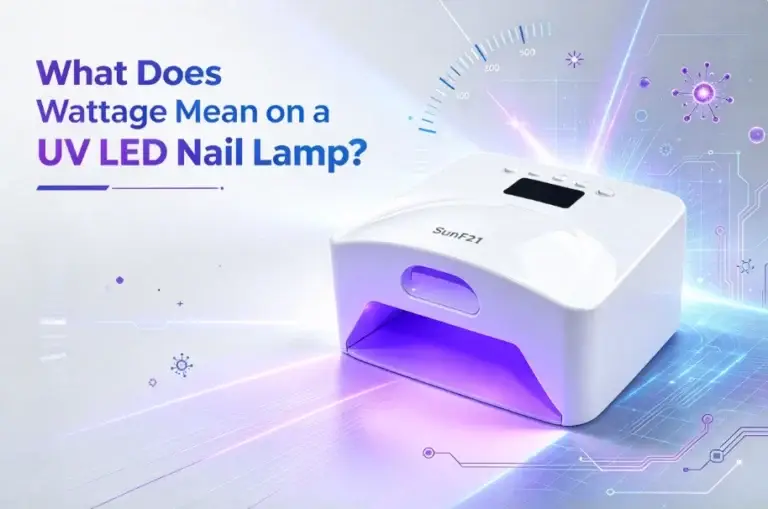
Wattage: Higher wattage generally means better efficiency. Look for at least 36W to 48W for professional environments to prevent under-curing.
-
Bulb Lifespan: LEDs offer massive long-term savings since you never need to replace the bulbs.
-
Design and Size: Choose models with a wide opening that can fit all five fingers or a whole foot for pedicures.
-
Smart Features: Automatic infrared sensors and low-heat modes significantly improve the user experience.
Applications and Target Audience
Different users require different equipment grades. Home users usually prioritize affordability and compact designs. Mobile technicians need durable, high-capacity wireless units. Professional salons require heavy-duty, dual-light systems that can run continuously without overheating or failing during busy shifts.
Summary
Choosing the right equipment fundamentally impacts manicure quality and salon efficiency. While a traditional uv nail lamp offers broad compatibility, an led nail lamp provides speed and longevity. Professionals should invest in high-wattage, dual-source machines to maximize their return on investment.
FAQ
-
Can a UV nail lamp cure any type of gel polish?
Yes, a traditional UV machine emits a broad light spectrum that activates almost all photoinitiators. It can cure nearly every gel polish on the market, although the process takes longer than LED technology. -
How long does an LED nail lamp take to cure gel?
An LED machine typically cures a single coat of gel in 30 to 60 seconds. This fast curing speed makes it the preferred choice for busy professional salons looking to increase client turnover. -
Do I need to replace the bulbs in my nail lamp?
It depends on the technology. You must replace traditional UV fluorescent bulbs every few months because they lose intensity. LED diodes, however, last up to 50,000 hours and never require replacement. -
What wattage is best for a professional gel nail lamp?
Professional salons should look for machines rated between 36W and 48W. This power level ensures fast, even curing and prevents the polish from remaining soft underneath the surface layer. -
Are wireless nail lamps worth the investment?
Wireless models provide excellent value for mobile technicians and busy salon setups. They remove tripping hazards, clean up the workstation aesthetic, and offer reliable performance during house calls.