What Is a Nail Dryer? Nail Lamp vs. Traditional Drying
In the beauty and salon industry, achieving a flawless manicure requires the right tools. When searching for drying solutions, many people encounter a confusing overlap between air blowers and curing lights.
Understanding the difference between a traditional nail dryer and a modern nail lamp helps professionals and consumers choose the right equipment. The incorrect device will not speed up your manicure and may negatively impact the final finish.
Understanding the Term “Nail Dryer”
In the English market, the term “nail dryer” serves as a broad, catch-all phrase. Shoppers frequently use it to describe any machine that helps manicures set faster after application.
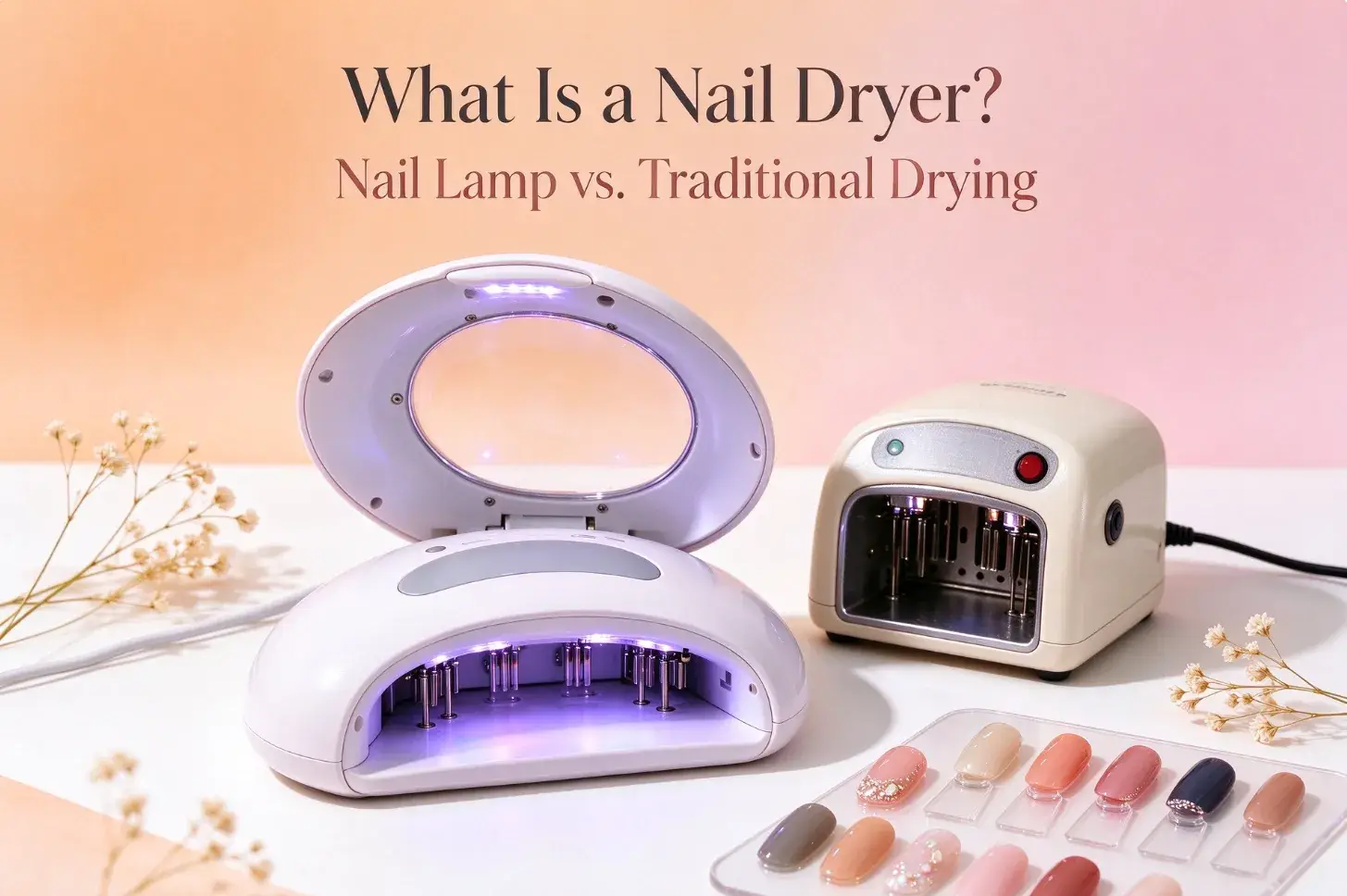
However, this umbrella term creates confusion because it groups two entirely different technologies. A traditional nail dryer uses air to evaporate liquid. Conversely, a nail lamp uses specific light wavelengths to trigger a chemical reaction. Knowing which formula you apply determines which machine you need.
How Traditional Nail Dryers Work
Traditional nail polish consists of pigments suspended in chemical solvents. When you paint your nails, these solvents must evaporate into the air for the polish to become solid.
A traditional nail dryer speeds up this natural evaporation process. These devices usually feature a small fan that blows cool or warm air across the nail plate. By increasing airflow, the surface of the regular polish dries faster to the touch.
They do not use UV or LED light. Since standard polish hardens strictly through solvent evaporation, air circulation remains the most effective way to accelerate the process.
How a Nail Lamp Works for Gel Polish
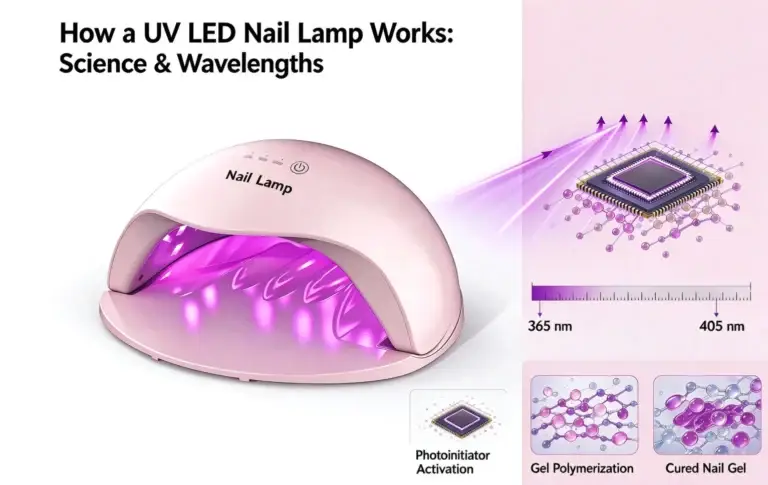
Gel polish relies on an entirely different scientific process called photopolymerization. Gel formulas do not contain the evaporative solvents found in traditional lacquer. Instead, they contain photoinitiators.
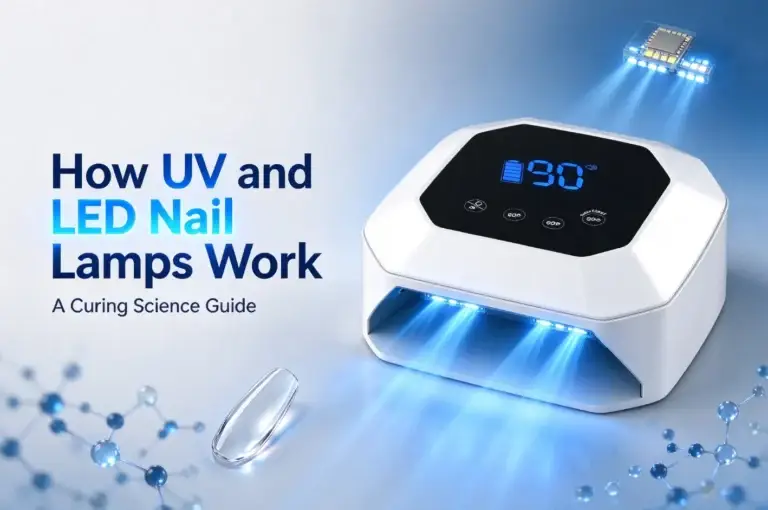
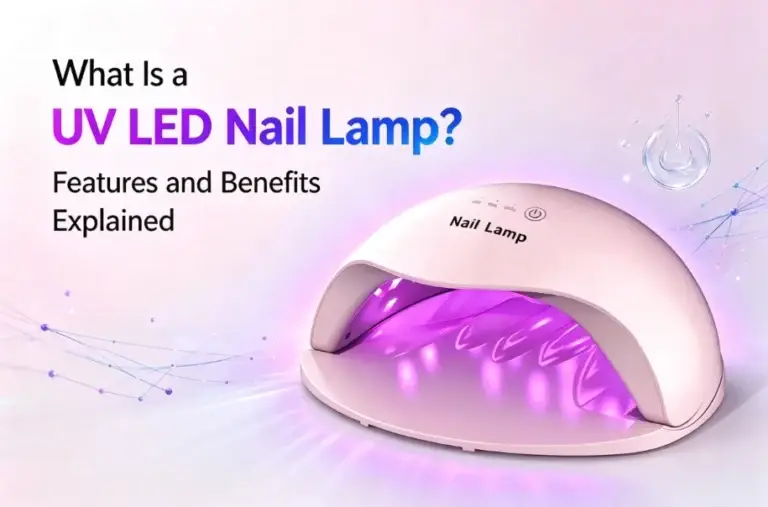
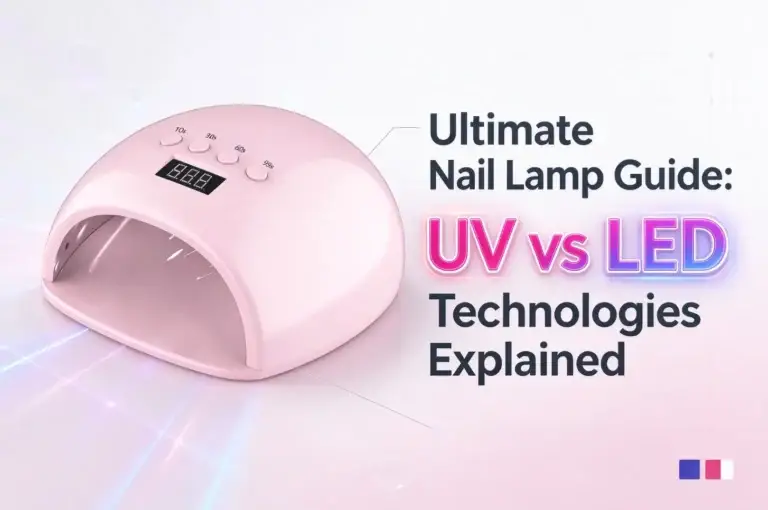
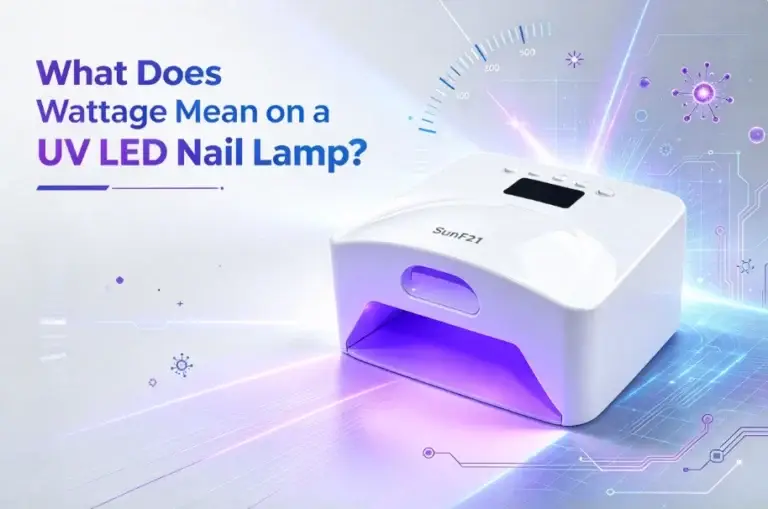
When you place your hand inside a uv nail lamp or an led nail lamp, the device emits specific light wavelengths. The photoinitiators absorb this light and instantly link molecules together, turning the liquid gel into a hard, durable coating.
Without this targeted light exposure, gel polish will remain wet indefinitely. The lamp does not merely dry the polish; it cures it chemically.
Why You Cannot Use a Nail Lamp for Regular Polish
Many consumers mistakenly buy a curing device hoping it will dry their standard nail polish in seconds. This approach fails because regular lacquer lacks photoinitiators.
Since traditional polish requires solvent evaporation, placing it under a light-based device does nothing to harden the paint. In fact, if the machine emits slight heat, it might only dry the top layer while leaving the bottom layers wet, leading to smudges.
Operators must match the chemical composition of the polish with the correct physical process: air for regular lacquer, and light for gel.
Key Differences Between Nail Dryers and Nail Lamps
To clarify the exact distinctions, review the following comparison between the two primary technologies.
| Feature | Traditional Nail Dryer | UV / LED Nail Lamp |
| Compatible Polish | Regular nail polish | Gel polish, Builder gel, Polygel |
| Drying Mechanism | Airflow (solvent evaporation) | Photopolymerization (chemical curing) |
| Technology Used | Cool or warm air fans | Ultraviolet or LED light bulbs |
| Setting Time | 10 to 20 minutes (surface dry) | 30 to 120 seconds (fully cured) |
| Finish Durability | Prone to chipping within days | Highly durable for weeks |
How to Choose the Right Equipment
Selecting the right equipment depends heavily on your service offerings or personal nail care routine. Consider these primary scenarios:
-
For Classic Manicures: If you operate a salon that mostly applies regular polish, invest in high-quality fan dryers. These machines keep clients comfortable while accelerating the solvent evaporation process.
-
For Gel Services: If you offer gel manicures, a professional led nail lamp becomes mandatory. Ensure the device offers sufficient wattage to cure thick layers of builder gel completely.
-
For Complete Salon Setups: High-end salons need both types of devices to serve different clientele. Additionally, investing in a high-performance nail dust collector ensures a clean environment before any drying or curing stage begins.
Summary
While the market often uses “nail dryer” to describe any manicure machine, the distinction remains critical. Traditional air dryers evaporate solvents in regular polish, whereas a nail lamp uses light to cure gel formulas chemically. Choosing the appropriate device ensures faster service times, durable manicures, and better equipment investments.
FAQ
-
Can you dry regular nail polish with a UV nail lamp?
No, a UV device will not dry regular nail polish. Regular polish relies on air to evaporate solvents, while UV devices rely on light to activate photoinitiators. Placing standard polish under a light will not speed up the drying process. -
How long does an LED nail lamp take to dry gel polish?
An led nail lamp typically cures gel polish in 30 to 60 seconds per coat. This rapid curing happens because LED technology targets the specific wavelengths required by the gel’s photoinitiators very efficiently. -
What is the difference between a UV nail lamp and an LED nail lamp?
Both devices emit ultraviolet light to cure gel, but they use different bulb technologies. UV models emit a broader spectrum of light and take about two minutes to cure, whereas LED models emit a narrower, more concentrated spectrum, curing polish in under a minute. -
Do traditional nail fan dryers actually work?
Yes, fan-based devices accelerate the drying time of standard nail polish. By blowing continuous air over the nail bed, they help the chemical solvents in the polish evaporate much faster than still room air. -
Can I use a nail lamp to dry acrylic nails?
Standard acrylic nails cure through a chemical reaction between the liquid monomer and powder polymer, requiring no light. You only need a curing device if you apply a gel top coat over the finished acrylic nail.